Waking up
Why You Sleep Through Your Alarm (and How to Stop)
Why people sleep through alarms: deep sleep, short sleep and sleep inertia. What research says about snoozing, and practical fixes that help you wake on time.
· 7 min read
Sleep tracker · Smart alarm · Android
Somnia is a sleep tracker and smart alarm for Android that won't let you oversleep, never invents sleep data, and explains sleep science with sources.
Why Somnia
Most sleep apps promise a lot from a phone on your nightstand. Somnia does fewer things, and does them truthfully.
Snooze works until one minute after your wake time. After that, the only button is Stop. Built for Android's background rules, with a check before bed that your alarm can ring.
Nightly reports, a sleep score and a calm vs restless timeline from optional sound sensing. Somnia never draws fake sleep stages from a phone.
Wear a watch or ring that records sleep? Somnia reads your sleep through Health Connect, with the full deep, light and REM breakdown in Pro. Read-only, and it stays on your phone.
Short facts from peer-reviewed studies, each with its source and its limits. "Linked to" means linked to. Nothing is overstated.
No ads. Sound sensing measures loudness live and never records or saves audio. Every detail is in the privacy policy.
Set a goal and Somnia shifts your bedtime toward it step by step, with home-screen widgets for tonight's bedtime, wake time and alarm.
The alarm
Most missed mornings are not about the sound. Either Android quietly blocked the alarm, or one snooze became ten. Somnia handles both.
Before bed, a quick check confirms exact alarms, notifications, full-screen alerts and battery settings, so Android lets your alarm ring on time.
Inside your window, Somnia uses your phone's movement sensor to find a calmer moment to wake you. If the signal is too thin, it rings at your exact time.
Snooze until one minute after your wake time, then only Stop. A morning log shows exactly when your alarm rang.
Brain Health
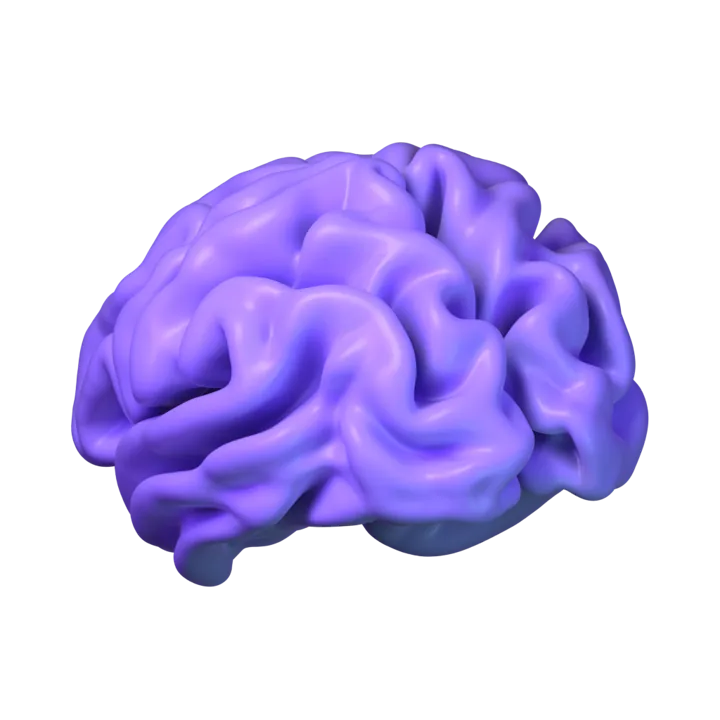
The Brain Health tab pairs a 3D brain with 10-second facts from peer-reviewed studies. Each one shows its source and what the study can't tell you. Your own sleep habits sit right next to what research links to brain health.
17–19 h
awake, and some test scores matched a 0.05% blood alcohol level.
39 adults, mostly transport workers. Williamson & Feyer, 2000.
14 nights
of 6 hours in bed dulled attention as much as up to 2 nights with no sleep, and people barely noticed.
48 adults aged 21–38, in a lab. Van Dongen et al., 2003.
7+ hours
a night is what sleep experts recommend for adults aged 18 to 60.
AASM and Sleep Research Society. Watson et al., 2015.
Free and Pro
No ads, and no paywall on your past nights. Pro is optional, for people who want deeper patterns.
Yearly (with a free trial when offered), monthly, or a one-time lifetime unlock. Cancel anytime in Google Play.
FAQ
No: snooze works until one minute after your set wake time, and after that the alarm only offers Stop.
Before bed, the "Alarm armed" check confirms that exact alarms, notifications, full-screen alerts and battery settings let Android ring your alarm on time. In the morning, a log shows when the alarm rang.
No. Somnia never records or saves audio.
Sound sensing is optional. When it is on, the app measures how loud the room is, live on your phone, to draw a calm vs restless timeline of your night. No recording is made, stored or uploaded.
Only real ones: Somnia shows deep, light and REM sleep when a watch or ring recorded them, reading them read-only from Health Connect.
A phone cannot measure brain activity, so Somnia never invents sleep stages from phone data. Without a wearable, you get sleep timing and duration, a nightly report, a sleep score and a calm vs restless timeline instead.
Yes. The alarm, the bedtime plan, sleep tracking and every past night are free, and there are no ads.
Somnia Pro is optional. It adds Smart Wake, sleep regularity and social jetlag, tags, sleep need and sleep debt, a doctor-ready PDF report, all suggestions, long-term trends and the trend widget. You can choose yearly (with a free trial when offered), monthly, or a one-time lifetime unlock.
From the blog
Waking up
Why people sleep through alarms: deep sleep, short sleep and sleep inertia. What research says about snoozing, and practical fixes that help you wake on time.
· 7 min read
Sleep tracking
A phone can estimate sleep timing and restlessness, but not sleep stages. How stages are measured, how accurate wearables are, and what to track instead.
· 5 min read
Sleep timing
What sleep regularity and social jetlag are, what large studies link them to, whether weekend catch-up sleep works, and how to make your schedule steadier.
· 6 min read
Free on Google Play for Android 8.0 and newer. English and Spanish.